


Therapy for Children in Mississauga
Children experience emotions and respond to challenges in different ways. Difficulties at school, changes in family circumstances, friendship problems, or experiences they find upsetting can sometimes affect their behaviour, relationships, and everyday functioning.
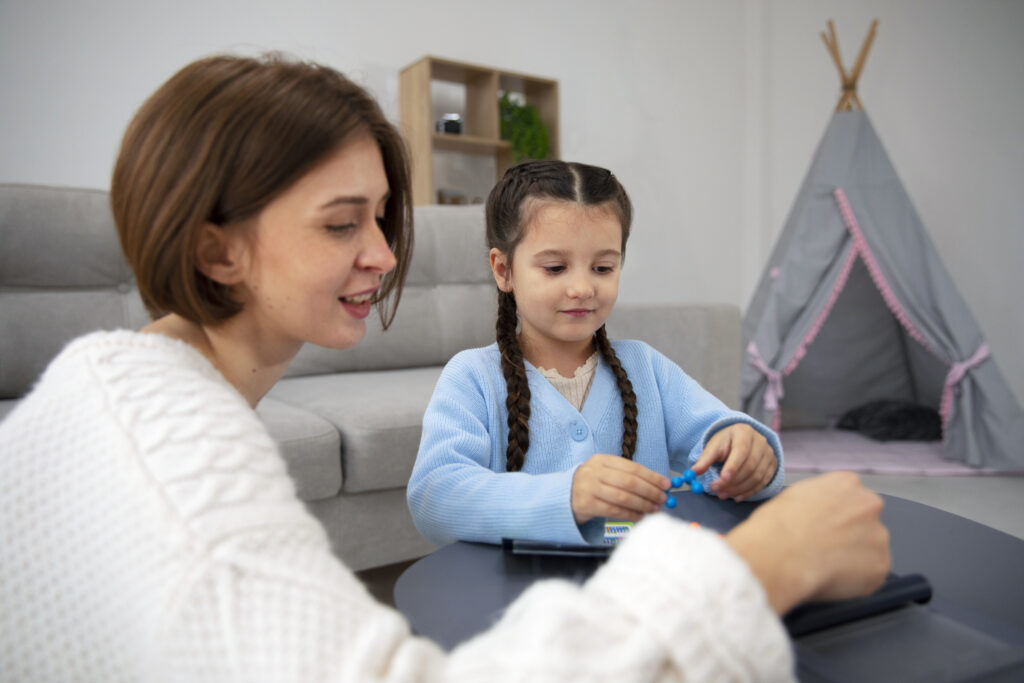
At InnerLinks Psychotherapy and Counselling Services, child therapy provides an opportunity for children to explore their experiences, develop age-appropriate coping skills, and receive support tailored to their individual needs. The approach considers the child’s developmental stage, circumstances, and the concerns identified by the family and clinician.
If you are looking for child therapy in Mississauga or the surrounding Peel Region, InnerLinks offers in-person services within Peel Region and virtual therapy across Ontario, subject to availability and clinical suitability.

How Can Therapy Help Children?
Children do not always have the words to explain what is troubling them. Emotional difficulties may appear as changes in behaviour, withdrawal, frustration, difficulties with peers, or challenges adjusting to everyday situations.
Therapy can provide an age-appropriate setting in which children can explore feelings, develop communication skills, and learn ways to respond to difficult experiences.
Depending on the child’s needs, therapeutic support may help with:
- Recognizing and expressing emotions.
- Developing age-appropriate coping strategies.
- Understanding and managing difficult feelings
- Strengthening communication and social skills.
- Navigating changes at home, school, or within relationships.
- Building confidence and emotional awareness.
- Developing healthier ways to respond to frustration and conflict.
The therapeutic process varies according to the child’s age, developmental needs, concerns, and the clinician’s approach. Family involvement may be appropriate depending on the situation.
Common Concerns Addressed in Child Therapy
Behavioural Difficulties
Some children experience recurring difficulties with frustration, impulsivity, following expectations, or managing interactions with others. When these behaviours interfere with learning, relationships, or everyday activities, it may be helpful to explore what is contributing to them.
Some children experience recurring difficulties with frustration, impulsivity, following expectations, or managing interactions with others. When these behaviours interfere with learning, relationships, or everyday activities, it may be helpful to explore what is contributing to them.
Emotional Regulation Difficulties
Children may find it difficult to explain or manage feelings such as anger, sadness, fear, disappointment, or worry. These difficulties can affect their interactions with family members, teachers, and peers.
Therapeutic support may help children recognize emotional signals, communicate their needs, and practise age-appropriate strategies for managing difficult feelings.
Trauma and Distressing Experiences
Experiences that feel frightening, overwhelming, or unsafe can affect a child’s emotional well-being and sense of security. Some children may become withdrawn, anxious, irritable, or more sensitive to reminders of an upsetting experience.
A qualified clinician can help assess the child’s needs and consider appropriate support. Any trauma-focused approach should be suited to the child’s circumstances and delivered by a clinician with relevant training.
Bullying and Peer Difficulties
Bullying, exclusion, and repeated conflict with peers can affect a child’s confidence, sense of belonging, and willingness to participate in school or social activities.
Therapy may help children explore their experiences, communicate their feelings, develop appropriate interpersonal skills, and identify trusted adults who can support them. Where bullying is occurring, support from the family and school may also be important.
Social Skills and Relationship Challenges
Some children find it difficult to initiate friendships, interpret social cues, communicate clearly, or navigate disagreements. These challenges can affect their confidence and relationships.
Depending on the child’s needs, therapy may focus on communication, understanding social situations, managing conflict, and developing age-appropriate relationship skills.
Adjusting to Family and Life Changes
Changes such as parental separation, divorce, relocation, a new school, or other significant family transitions can be difficult for children to understand and process.
Therapy may provide space for children to express their feelings, ask questions, and develop ways to manage uncertainty. Parents and caregivers may also receive guidance on supporting the child’s adjustment where appropriate.